Small Homes, Big Heart: The Psychological Advantages of Intimate Elderly Care
Business Name: BeeHive Homes of Crownridge Assisted Living & Memory Care
Address: 6919 Camp Bullis Rd, San Antonio, TX 78256
Phone: (210) 874-5996
BeeHive Homes of Crownridge Assisted Living & Memory Care
We are a small, 16 bed, assisted living home. We are committed to helping our residents thrive in a caring, happy environment.
6919 Camp Bullis Rd, San Antonio, TX 78256
Business Hours
The longer I operate in senior care, the more persuaded I am that scale silently shapes everything. Not just staffing ratios and budgets, however how it feels to get up in the morning, who notices when you appear a bit off, and whether anyone keeps in mind how you like your tea.
Large assisted living buildings and nursing homes have their location. They use medical protection, activities, transportation, and a complacency that many households truly need. Yet, when I consider the most peaceful and deeply human moments I have seen in elderly care, they hardly ever take place in a 100‑bed center. They take place in small homes, at kitchen tables, on shaded patios, in familiar armchairs that have actually moved along with their owner.
Intimate care settings are not magic, and they are not ideal. However they frequently unlock psychological benefits that are tough to reproduce at scale. Understanding those benefits helps families make more thoughtful choices, whether they are considering assisted living, respite care, or long‑term residential options.
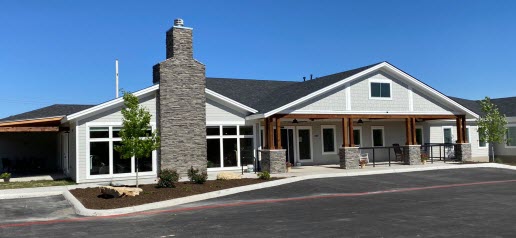
What "small home" care really means
People use different terms: residential care home, board‑and‑care, micro‑community, small group home. The policies differ from one state to another and nation to nation, however the standard idea is consistent. Instead of a big institutional structure with long corridors and a central dining hall, you have a home or home‑like setting where a small number of older grownups live together.
Typical functions consist of:
- A limited variety of residents, typically in between 4 and 12.
- Shared common areas that look like a regular home instead of a facility.
- Fewer layers of staff hierarchy, so caregivers, homeowners, and families know each other personally.
- More versatile daily regimens that can get used to private preferences.
In real practice, the psychological tone of a small home depends much more on management, staff culture, and the physical environment than on any licensing category. I have strolled into 6‑bed homes that felt cold and transactional, and I have actually met teams in 80‑resident assisted living neighborhoods who handled to create remarkable heat in spite of the scale.
Still, when you diminish the environment and simplify the structure, certain psychological benefits become simpler to achieve.
The psychological landscape of late life
By the time a family begins seriously checking out senior care, a lot has actually already occurred. Health modifications, hospitalizations, sluggish losses of capability, moves far from a long‑time area, the death of good friends or a partner. On top of that, major decisions have to be made about safety, finances, and long‑term planning.
Underneath the logistics, a number of psychological needs keep appearing:
- To feel viewed as an entire individual, with a history that still matters.
- To keep some control over life, even when aid is needed.
- To experience stability and predictability, particularly if memory is fragile.
- To feel connected to a couple of trusted people, not perpetually surrounded by strangers.
- To maintain dignity in really intimate circumstances, like bathing or toileting.
Any senior care setting that takes these needs seriously is already ahead. Small homes just have a simpler time translating those concepts into everyday practice.
Why small environments relieve the worried system
Watch somebody with moderate dementia walk into a hectic lobby loaded with individuals, televisions, and continuous movement, then enjoy the same individual enter a quiet living-room with two residents reading and a caretaker folding laundry. The difference in body language is apparent. Shoulders unwind, scanning eyes settle, speech ends up being more fluid.
Chronic overstimulation is a concealed stress factor in lots of larger assisted living or memory care neighborhoods. Echoing corridors, paging systems, multiple activities in overlapping spaces, personnel modifications across shifts, unknown float workers from other systems. Older grownups, specifically those with cognitive modifications, often lack the spare mental bandwidth to filter all this. beehivehomes.com assisted living facilities in san antonio When that takes place, we see it as "wandering," "resistance," or "behaviors," however below, it can be distress.
Small homes reduce this background noise. Less homeowners, less personnel, less doors and corridors. The brain has less to track. Regimens end up being clear. This calmer baseline lets other positive feelings surface: contentment, interest, humor, even mischief. I have seen locals who were referred to as "hard" in one setting become gentle, cooperative people in a quieter small home, without any medication changes.
This does not mean small homes are always quiet. There can be laughter at the table, going to grandchildren, a repair person working in the backyard. The difference is that the scale stays human. The nervous system can map the environment and feel reasonably safe.
Attachment and belonging: knowing "these are my people"
Attachment does not end in childhood. In late life, especially after the loss of a spouse or long-lasting friends, the requirement to come from a small, stable group ends up being very strong. When you place someone in a large senior care neighborhood, they might interact with lots of various staff over the course of a week. Some neighborhoods handle this well by designating constant caretakers to specific locals, but turnover and scheduling complexity still get in the way.
In a small home, residents see the very same faces day after day. The caretaker who assists with the morning shower is frequently the one who makes breakfast and sits at the table. Your house manager most likely understands which grandchild is using to college and which relative lives out of state. Families find out the caregivers' birthdays and ask about their kids by name.
This duplicated, low‑key contact constructs real accessory. I keep in mind a female with sophisticated dementia, unable to remember her child's name, who could still look at a specific caretaker and say, "You are my safe individual." That safety had been earned over hundreds of quiet early mornings: the right water temperature level, the extra towel, the mild touch when she flinched.
When locals feel they come from a steady "little world," their anxiety decreases. They are more going to accept individual care, more available to trying activities, more flexible of small discomforts. Belonging is one of the greatest psychological advantages of intimate elderly care, and it is very difficult to fake.
Preserving identity through daily rituals
Loss of independence hurts, however not just in useful ways. Many older grownups feel their identity deteriorate with every ability they can no longer securely carry out. Driving, cooking, managing medications, gardening, dealing with tools. When all of this vanishes at once, the emotional effect is enormous.
Small homes are especially well fit to maintaining identity through small, meaningful functions. In a big building, personnel are frequently under pressure to "make it through the list" of jobs. It appears quicker to do whatever for the resident. In a small home, there is more space to let someone do a bit of what they still can, even if it takes twice as long.
A retired teacher might "help" a caretaker checked out the mail and decide what to keep. A former mechanic might be the one who "checks" the batteries on the smoke alarms with an employee. Somebody who constantly baked can sit at the cooking area table and shape cookie dough while a caregiver deals with the oven.
These are not pretend activities. They are connection of self. They remind the resident, and everyone else, that the individual in the recliner chair is more than their medical diagnoses. I have seen anxiety soften when individuals regain these small functions. They are no longer "a fall danger in Room 203," they are Mary who folds the napkins, George who feeds the feline, Lila who waters the plants.
Emotional security for families, not simply residents
Families frequently carry a heavy mix of guilt, grief, and fatigue by the time they consider moving a loved one into assisted living or another senior care setting. Specifically for adult kids who assured "I will never put you in a home," the decision seems like a personal failure, even when 24‑hour care is plainly needed.
Intimate settings can relieve that psychological problem in numerous ways.
First, communication tends to be more individual and direct. Instead of an online website and a generic "care group" email, families normally have the cell phone number of the primary caretaker or home manager. When Dad has a rough night, somebody can text, "He was restless, we attempted music, he settled after some tea. No need to worry, but wanted you to understand." These information reassure families that their loved one is not simply "handled" but cared about.
Second, visits seem like stopping by a home instead of entering an organization. I have actually viewed teenagers who feared checking out a grandparent in a conventional nursing home relax immediately in a small, home‑like environment. They can sit at the kitchen area counter, chat with a caregiver, and feel part of life. This protects intergenerational bonds, which is mentally essential for everyone.
Third, small homes can share the load more flexibly. A child who has been offering round‑the‑clock care might begin with periodic respite care stays, giving herself healing time while her parent gets used to the environment. Due to the fact that the setting is small, the staff quickly find out the individual's routines, that makes each subsequent stay smoother. Gradually, if a long-term move becomes necessary, it feels like an extension rather than a rupture.
Families who feel emotionally safe are much better able to remain associated with a healthy, sustainable way. That benefits the resident, who keeps meaningful connections, and the staff, who acquire collaborative partners instead of burned‑out, resentful relatives.
Staff experience and how it forms care
You can not speak about emotional results without discussing staff. Frontline caregivers bring the impact of the physical, emotional, and ethical labor in elderly care. Their well‑being straight affects the environment homeowners feel every day.
Large assisted living communities may offer more official profession courses, training programs, and benefits, but they can likewise feel administrative. Schedules are rigid, interactions are task‑driven, and individual caregivers might not see the long‑term impact of their work.
In a small home, staff experience is various. Caregivers typically:
- Form long‑term, family‑like relationships with citizens and their relatives.
- Have more autonomy to adjust regimens to resident preferences.
- See the instant psychological impact of their presence, for better or worse.
- Take pride in the "entire home," not just their designated tasks.
This can be deeply satisfying. I have actually met staff who remained in one small home for a decade, following locals through the last chapters of their lives with amazing commitment. That continuity is unusual in bigger systems.
There are trade‑offs, naturally. Smaller operations may struggle to use top‑tier pay and benefits. Burnout is still a threat, specifically if staffing is tight or management is weak. In a really small team, one harmful character can poison the environment quickly. Households need to not assume that "small" automatically means "healthy," but when the culture is positive, the psychological causal sequence is remarkable.
When a bigger setting might be better
Intimate care is not always the ideal response. There are circumstances where a larger assisted living or competent nursing environment fits much better, emotionally as well as medically.
Residents with extremely complicated medical requirements may need 24‑hour certified nursing, on‑site treatment services, specialized centers, or fast access to health center transfers. Some small homes can coordinate this, however numerous are not equipped for high‑acuity care.
Extremely extroverted citizens, or those who draw energy from a vast array of social contacts and structured activities, sometimes thrive in a bigger community. They like multiple clubs, huge occasions, and a more busy environment. For them, a very small setting may feel restricting or perhaps lonely.
Families who live far may prefer a larger company with more robust administrative systems, clear escalation courses, and a corporate structure they can hold accountable. A small, family‑run home without strong governance can drift into bad practices if oversight is weak.
The secret is in shape. Psychological benefits come from alignment in between the individual's temperament, requires, and the environment's strengths. There is no single "right" design for all older adults.
What to look for in a mentally healthy small home
When households tour senior care alternatives, the focus often falls on safety features, staffing ratios, and expense. These matter. But it is similarly essential to assess the emotional climate. In a small home it can be much easier to check out, since there are less moving parts.
Here are indications that a small home is emotionally healthy:
- Residents are engaged in normal life: somebody reading, someone napping, perhaps somebody folding a towel, rather than everybody parked in front of a television.
- Staff talk to citizens respectfully, using names and mild tones, even when homeowners are confused or repeating questions.
- Personal items and photos show up, and spaces feel personalized, not staged for marketing.
- The house smells like normal living (food, laundry) instead of strong disinfectant or masking fragrances.
- You notice moments of genuine affection: a hand squeeze, a shared joke, a caregiver who pauses to listen instead of rushing past.
If possible, visit unannounced after the first formal tour. The second visit typically exposes the "genuine" everyday rhythm.
Questions to ask when considering intimate elderly care
Families often feel overwhelmed and do not know how to probe beyond the sales brochure. Focused concerns help emerge the emotional reality behind the marketing language.
Useful concerns to ask include:
- How long have the majority of your caretakers been here, and what do you do to keep great staff?
- Tell me about a resident who was tough to care for in the beginning and how your group got to know them.
- What happens here on a regular day for somebody like my mother or father, from waking up to bedtime?
- How do you include households, specifically if we can not visit often?
- Can you share a current circumstance where a resident was upset, and how personnel helped them feel safe again?
The content of the response matters, however so does the method it is delivered. Are employee stiff and rehearsed, or do they appear reflective and sincere? Do they discuss locals with affection or inconvenience? Do they include the older grownup in the discussion where possible, or talk over them?
Integrating small homes with the wider care continuum
Intimate care settings seldom operate in seclusion. Often, they belong to a wider sequence: home care, respite care stays, longer residential care, sometimes hospice. The emotional advantage grows when these shifts feel connected rather than fragmented.
Respite care can be especially effective. A caregiver who has been supporting a partner with dementia in the house may utilize a small home for short remain at very first. These breaks allow the caregiver to rest, handle medical appointments, or simply recharge. Similarly essential, the individual receiving care gradually ends up being acquainted with the environment and the staff.
Over time, as the disease progresses, what started as periodic respite care can develop into a full‑time relocation. Since the relationships and regimens are currently in place, the psychological shock is reduced. The resident is not entering an unidentified structure but returning to a location where "my good friends are."
Coordinated medical care makes a distinction too. When small homes construct strong connections with regional primary care providers, home health, and hospice teams, residents experience fewer jarring transitions in and out of medical facilities. Staff can get subtle modifications early and team up with clinicians who already understand the individual's values and history. That continuity supports dignity at the end of life.
Practical restraints: expense, policy, and availability
It would be deceitful to go over psychological advantages without acknowledging the useful barriers. Small homes are not evenly available, and they are not constantly budget friendly. In many regions, they operate as private‑pay assisted living or board‑and‑care, which can put them out of reach for households relying entirely on public benefits.
Regulatory structures often lag behind truth. Rules composed for bigger centers might not adapt well to small homes, or the licensing classification that fits a small home model may not permit higher care requirements. Great providers work creatively within these restrictions, but they can only bend so far.
Families in some cases have to make difficult compromises. I have actually sat at kitchen tables with daughters who preferred a particular small home mentally but selected a bigger setting due to the fact that it accepted a public payer source that the small home might not. In those minutes, the work shifts to extracting as much intimacy and customization as possible within the picked environment.
Advocating for policy that supports a broader series of small, community‑based senior care alternatives is not a quick repair, yet it remains essential. The emotional advantages explained here are not luxuries. They belong to humane care in late life, and they must not be scheduled only for those who can pay top rates.
Bringing the "small home" state of mind into any setting
Even when a real small home is not an alternative, households and specialists can obtain from the small‑scale method to improve the emotional experience in larger assisted living or nursing environments.
Focus on connection. Request constant caregivers when possible. Learn their names, share household stories, and treat them as partners. That relational glue helps everyone.
Personalize the area. Even in a basic room, photos, a favorite blanket, a familiar lamp, or a cherished wall hanging can produce psychological anchors. These things tell personnel who the individual is, not just what care they need.
Protect rituals. If your father always shaved after breakfast, advocate for keeping that order. If your mother prayed or listened to a particular piece of music before bed, share that with staff. Small rituals offer psychological structure.
Slow down key minutes. Bathing, dressing, and mealtimes are emotionally loaded. Encourage caretakers to avoid hurrying through them. A few additional minutes of calm, unhurried existence frequently prevent agitation later.
Above all, keep informing the individual's story. In care strategy meetings, in corridor chats with personnel, in notes you leave at the bedside. Small homes naturally soak up these stories because the scale makes love. In larger settings, families sometimes need to work a bit harder to weave the story into the everyday fabric.
The quiet power of intimacy
When you strip away marketing terms and care designs, what older adults and their households frequently wish for is simple: to feel comfortable, to be understood, and to be cared for by individuals who treat them as people, not jobs on a schedule.
Small homes are not a universal solution, however they are a vibrant demonstration that scale matters. A handful of citizens around a table, a caregiver who notifications a new trembling, a relative who feels comfy enough to cry in the kitchen area while someone makes coffee for them, not simply for the resident. These are the minutes that form the emotional memory of late life.
Whether you ultimately choose an intimate residential home, a bigger assisted living neighborhood, or a mix of respite care and in‑home support, keeping these psychological priorities in focus changes the concerns you ask and the information you notice. Buildings, staffing charts, and service menus are only the skeleton. The small, everyday gestures of intimacy supply the heart.
BeeHive Homes of Crownridge Assisted Living has license number of 307787
BeeHive Homes of Crownridge Assisted Living is located at 6919 Camp Bullis Road, San Antonio, TX 78256
BeeHive Homes of Crownridge Assisted Living has capacity of 16 residents
BeeHive Homes of Crownridge Assisted Living offers private rooms
BeeHive Homes of Crownridge Assisted Living includes private bathrooms with ADA-compliant showers
BeeHive Homes of Crownridge Assisted Living provides 24/7 caregiver support
BeeHive Homes of Crownridge Assisted Living provides medication management
BeeHive Homes of Crownridge Assisted Living serves home-cooked meals daily
BeeHive Homes of Crownridge Assisted Living offers housekeeping services
BeeHive Homes of Crownridge Assisted Living offers laundry services
BeeHive Homes of Crownridge Assisted Living provides life-enrichment activities
BeeHive Homes of Crownridge Assisted Living is described as a homelike residential environment
BeeHive Homes of Crownridge Assisted Living supports seniors seeking independence
BeeHive Homes of Crownridge Assisted Living accommodates residents with early memory-loss needs
BeeHive Homes of Crownridge Assisted Living does not use a locked-facility memory-care model
BeeHive Homes of Crownridge Assisted Living partners with Senior Care Associates for veteran benefit assistance
BeeHive Homes of Crownridge Assisted Living provides a calming and consistent environment
BeeHive Homes of Crownridge Assisted Living serves the communities of Crownridge, Leon Springs, Fair Oaks Ranch, Dominion, Boerne, Helotes, Shavano Park, and Stone Oak
BeeHive Homes of Crownridge Assisted Living is described by families as feeling like home
BeeHive Homes of Crownridge Assisted Living offers all-inclusive pricing with no hidden fees
BeeHive Homes of Crownridge Assisted Living has a phone number of (210) 874-5996
BeeHive Homes of Crownridge Assisted Living has an address of 6919 Camp Bullis Rd, San Antonio, TX 78256
BeeHive Homes of Crownridge Assisted Living has a website https://beehivehomes.com/locations/san-antonio/
BeeHive Homes of Crownridge Assisted Living has Google Maps listing https://maps.app.goo.gl/YBAZ5KBQHmGznG5E6
BeeHive Homes of Crownridge Assisted Living has Facebook page https://www.facebook.com/sweethoneybees
BeeHive Homes of Crownridge Assisted Living has Instagram https://www.instagram.com/sweethoneybees19
BeeHive Homes of Crownridge Assisted Living won Top Assisted Living Homes 2025
BeeHive Homes of Crownridge Assisted Living earned Best Customer Service Award 2024
BeeHive Homes of Crownridge Assisted Living placed 1st for Senior Living Communities 2025
People Also Ask about BeeHive Homes of Crownridge Assisted Living
What is BeeHive Homes of Crownridge Assisted Living monthly room rate?
Our monthly rate depends on the level of care your loved one needs. We begin by meeting with each prospective resident and their family to ensure we’re a good fit. If we believe we can meet their needs, our nurse completes a full head-to-toe assessment and develops a personalized care plan. The current monthly rate for room, meals, and basic care is $5,900. For those needing a higher level of care, including memory support, the monthly rate is $6,500. There are no hidden costs or surprise fees. What you see is what you pay.
Can residents stay in BeeHive Homes of Crownridge Assisted Living until the end of their life?
Usually yes. There are exceptions such as when there are safety issues with the resident or they need 24 hour skilled nursing services.
Does BeeHive Homes of Crownridge Assisted Living have a nurse on staff?
Yes. Our nurse is on-site as often as is needed and is available 24/7.
BeeHive Homes of Crownridge Assisted Living & Memory Care has license number of 307787
BeeHive Homes of Crownridge Assisted Living & Memory Care is located at 6919 Camp Bullis Road, San Antonio, TX 78256
BeeHive Homes of Crownridge Assisted Living & Memory Care has capacity of 16 residents
BeeHive Homes of Crownridge Assisted Living & Memory Care offers private rooms
BeeHive Homes of Crownridge Assisted Living & Memory Care includes private bathrooms with ADA-compliant showers
BeeHive Homes of Crownridge Assisted Living & Memory Care provides 24/7 caregiver support
BeeHive Homes of Crownridge Assisted Living & Memory Care provides medication management
BeeHive Homes of Crownridge Assisted Living & Memory Care serves home-cooked meals daily
BeeHive Homes of Crownridge Assisted Living & Memory Care offers housekeeping services
BeeHive Homes of Crownridge Assisted Living & Memory Care offers laundry services
BeeHive Homes of Crownridge Assisted Living & Memory Care provides life-enrichment activities
BeeHive Homes of Crownridge Assisted Living & Memory Care is described as a homelike residential environment
BeeHive Homes of Crownridge Assisted Living & Memory Care supports seniors seeking independence
BeeHive Homes of Crownridge Assisted Living & Memory Care accommodates residents with early memory-loss needs
BeeHive Homes of Crownridge Assisted Living & Memory Care does not use a locked-facility memory-care model
BeeHive Homes of Crownridge Assisted Living & Memory Care partners with Senior Care Associates for veteran benefit assistance
BeeHive Homes of Crownridge Assisted Living & Memory Care provides a calming and consistent environment
BeeHive Homes of Crownridge Assisted Living & Memory Care serves the communities of Crownridge, Leon Springs, Fair Oaks Ranch, Dominion, Boerne, Helotes, Shavano Park, and Stone Oak
BeeHive Homes of Crownridge Assisted Living & Memory Care is described by families as feeling like home
BeeHive Homes of Crownridge Assisted Living & Memory Care offers all-inclusive pricing with no hidden fees
BeeHive Homes of Crownridge Assisted Living & Memory Care has a phone number of (210) 874-5996
BeeHive Homes of Crownridge Assisted Living & Memory Care has an address of 6919 Camp Bullis Rd, San Antonio, TX 78256
BeeHive Homes of Crownridge Assisted Living & Memory Care has a website https://beehivehomes.com/locations/san-antonio/
BeeHive Homes of Crownridge Assisted Living & Memory Care has Google Maps listing https://maps.app.goo.gl/YBAZ5KBQHmGznG5E6
BeeHive Homes of Crownridge Assisted Living & Memory Care has Facebook page https://www.facebook.com/sweethoneybees
BeeHive Homes of Crownridge Assisted Living & Memory Care has Instagram https://www.instagram.com/sweethoneybees19
BeeHive Homes of Crownridge Assisted Living & Memory Care won Top Assisted Living Homes 2025
BeeHive Homes of Crownridge Assisted Living & Memory Care earned Best Customer Service Award 2024
BeeHive Homes of Crownridge Assisted Living & Memory Care placed 1st for Senior Living Communities 2025
People Also Ask about BeeHive Homes of Crownridge Assisted Living & Memory Care
What is BeeHive Homes of Crownridge Assisted Living & Memory Care monthly room rate?
Our monthly rate depends on the level of care your loved one needs. We begin by meeting with each prospective resident and their family to ensure we’re a good fit. If we believe we can meet their needs, our nurse completes a full head-to-toe assessment and develops a personalized care plan. The current monthly rate for room, meals, and basic care is $5,900. For those needing a higher level of care, including memory support, the monthly rate is $6,500. There are no hidden costs or surprise fees. What you see is what you pay.
Can residents stay in BeeHive Homes of Crownridge Assisted Living & Memory Care until the end of their life?
Usually yes. There are exceptions such as when there are safety issues with the resident or they need 24 hour skilled nursing services.
Does BeeHive Homes of Crownridge Assisted Living & Memory Care have a nurse on staff?
Yes. Our nurse is on-site as often as is needed and is available 24/7.
What are BeeHive Homes of Crownridge Assisted Living & Memory Care visiting hours?
Normal visiting hours are from 10am to 7pm. These hours can be adjusted to accommodate the needs of our residents and their immediate families.
Do we have couple’s rooms available?
At BeeHive Homes of Crownridge Assisted Living & Memory Care, all of our rooms are only licensed for single occupancy but we are able to offer adjacent rooms for couples when available. Please call to inquire about availability.
What is the State Long-term Care Ombudsman Program?
A long-term care ombudsman helps residents of a nursing facility and residents of an assisted living facility resolve complaints. Help provided by an ombudsman is confidential and free of charge. To speak with an ombudsman, a person may call the local Area Agency on Aging of Bexar County at 1-210-362-5236 or Statewide at the toll-free number 1-800-252-2412. You can also visit online at https://apps.hhs.texas.gov/news_info/ombudsman.
Are all residents from San Antonio?
BeeHive Homes of Crownridge Assisted Living & Memory Care provides options for aging seniors and peace of mind for their families in the San Antonio area and its neighboring cities and towns. Our senior care home is located in the beautiful Texas Hill Country community of Crownridge in Northwest San Antonio, offering caring, comfortable and convenient assisted living solutions for the area. Residents come from a variety of locales in and around San Antonio, including those interested in Leon Springs Assisted Living, Fair Oaks Ranch Assisted Living, Helotes Assisted Living, Shavano Park Assisted Living, The Dominion Assisted Living, Boerne Assisted Living, and Stone Oaks Assisted Living.
Where is BeeHive Homes of Crownridge Assisted Living & Memory Care located?
BeeHive Homes of Crownridge Assisted Living & Memory Care is conveniently located at 6919 Camp Bullis Rd, San Antonio, TX 78256. You can easily find directions on Google Maps or call at (210) 874-5996 Monday through Sunday 9am to 5pm.
How can I contact BeeHive Homes of Crownridge Assisted Living & Memory Care?
You can contact BeeHive Homes of Crownridge Assisted Living & Memory Care by phone at: (210) 874-5996, visit their website at https://beehivehomes.com/locations/san-antonio/,or connect on social media via Facebook or Instagram
BeeHive Homes of Crownridge Assisted Living & Memory Care is just a short drive away from The Shops at La Cantera a major shopping & dining center in the area. Offering convenient shopping and dining options ideal for senior care families looking for easy-access retail and respite care outings.San Antonio Texas.